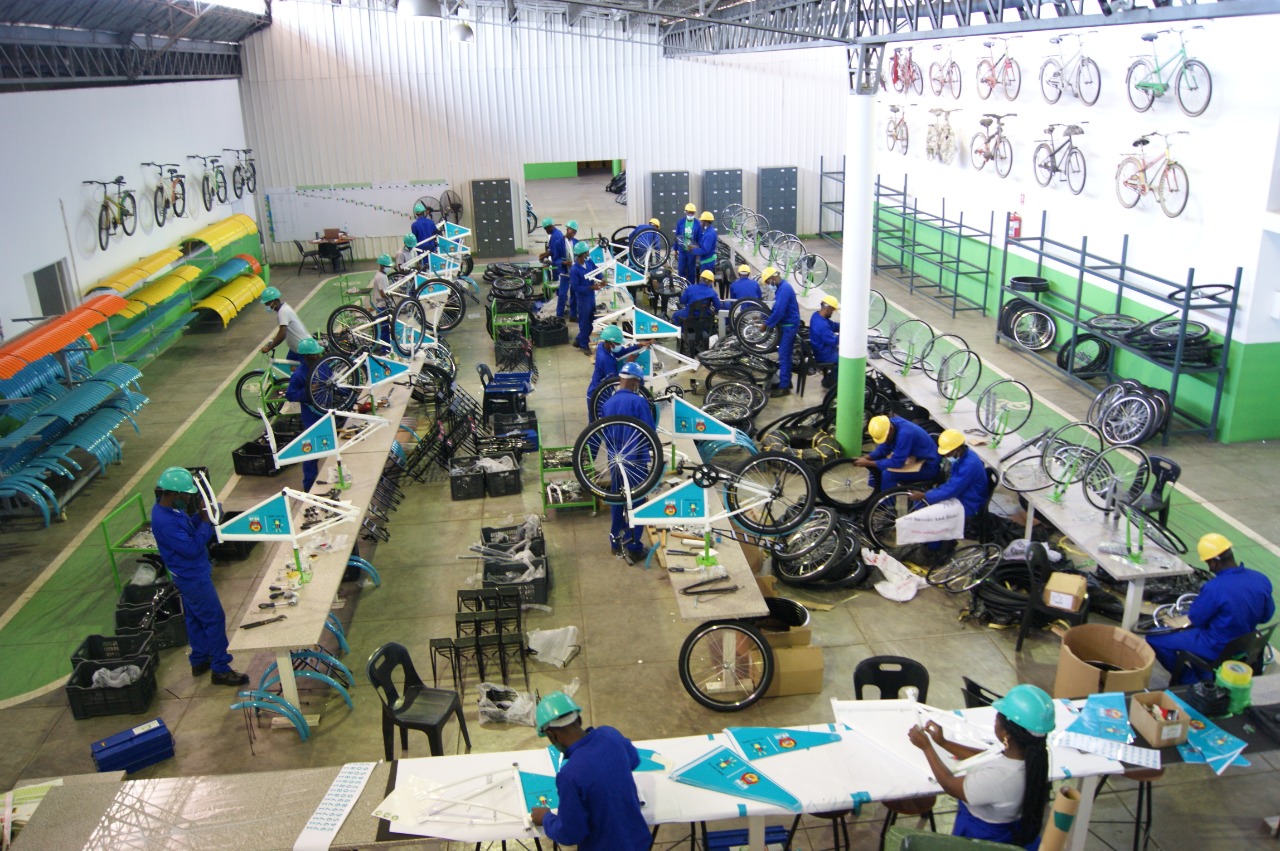
Bicycles for Education | UNICEF, Government of Mozambique, Mozambikes and European Union partner in Sofala and Cabo Delgado
For a child growing up in rural Mozambique, getting to school can be an achievement in itself. In communities where distances are long, roads are difficult and public transport is limited, the school day often begins well before the classroom comes into sight. For some students, several kilometres on foot stand between their home and the opportunity to learn.
That was the reality for Elias Fernando, from Catapua. Before receiving a bicycle through the Bicycles for Education programme, Elias walked approximately eight kilometres to Escola Básica de Mahossine. Every morning, the journey came before the lessons, and every afternoon, the same road stood between him and home. The distance was simply part of his daily life.
Then he received a bicycle.
The road did not become shorter, and the challenges facing his community did not disappear. What changed was Elias's ability to travel that road. A journey that once required a long walk could now be made by bicycle, giving him back valuable time and making the journey to school easier and more sustainable.
Elias's story is one example of a much bigger reality. Across rural Mozambique, children and families navigate long distances every day to reach schools, health services, markets and opportunities for work. Transport can be scarce or unaffordable, while roads and paths can make even relatively short distances difficult to travel. Yet people continue to move forward. They walk, work, study, raise families and build their communities, often with very few resources.
It is this resilience that Mozambikes sees every time it works in rural communities. These are not communities waiting to be rescued. They are communities already doing the hard work themselves. The challenge is that geography, distance and lack of affordable transport can make that work considerably harder. Mozambikes exists to help remove one of those barriers.
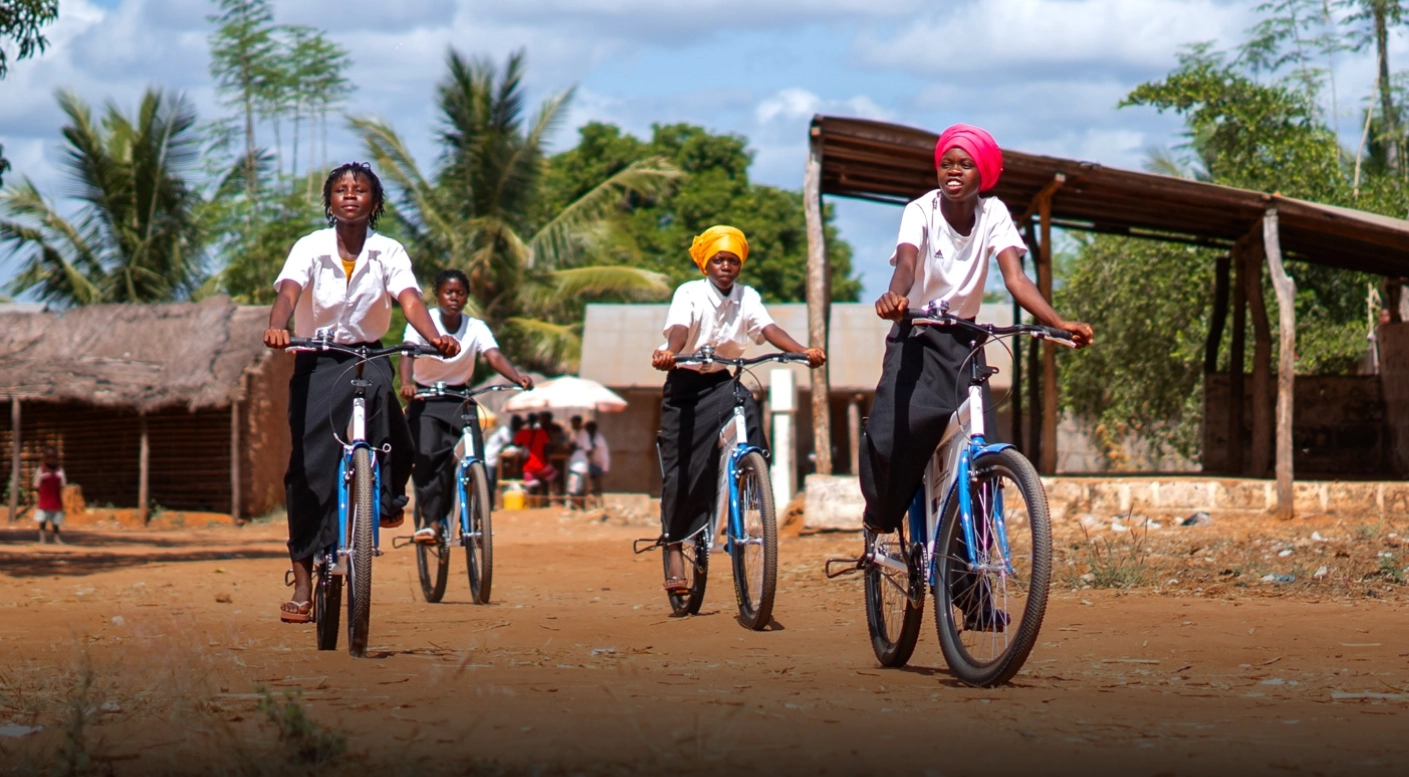
The Bicycles for Education programme, implemented by UNICEF in collaboration with the Government of Mozambique and Mozambikes, with financial support from the European Union, was built around that simple principle. Between April 2025 and July 2026, the programme was implemented in two phases across Sofala and Cabo Delgado, providing 510 bicycles to students facing long journeys to school and limited transportation options.
The first phase reached Buzi District in Sofala, where bicycles were provided to students from two primary schools. The second phase extended the programme to Mapupulo and Mahossine in Cabo Delgado. But the programme was designed to go beyond simply handing a bicycle to a child. Students also received support on road safety and basic maintenance, while Bike Negócio helps create local capacity to keep the bicycles working within the communities.
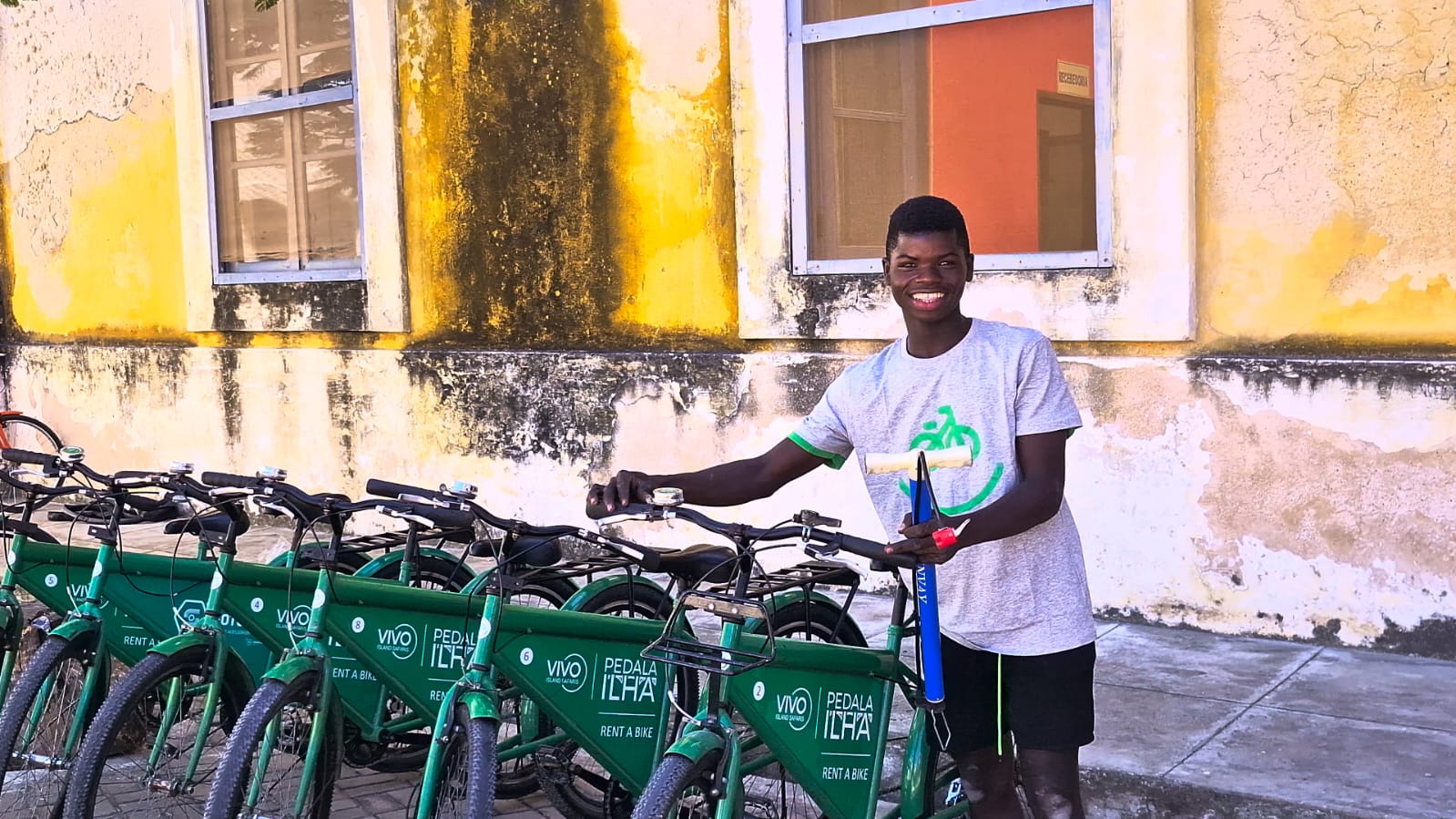
That local capacity is important because a bicycle is only useful if it remains on the road. By training and supporting local mechanics, the programme creates the conditions for bicycles to be maintained locally, while also creating livelihoods in places where formal employment opportunities are often limited.
This is where the impact begins to extend beyond the student. A child gains a more reliable way to reach school. A family gains mobility. A local mechanic gains skills and an income. A community becomes better equipped to maintain the solution for itself.
For Mozambikes, that is what mobility is really about. The bicycle is not the destination. It is a tool that helps people overcome one of the barriers standing between them and the opportunities they are already working hard to reach.
For Elias, that barrier was an eight-kilometre journey to school. For hundreds of other students, it is another road, another distance, another community. The circumstances may differ, but the principle remains the same: when mobility improves, access improves too.
And sometimes, creating that access begins with something as simple as giving a child a bicycle.
“A bicycle cannot remove every barrier to education. But it can remove distance.”
Newsletter
Quick Links